

2 min read
The Power of Change
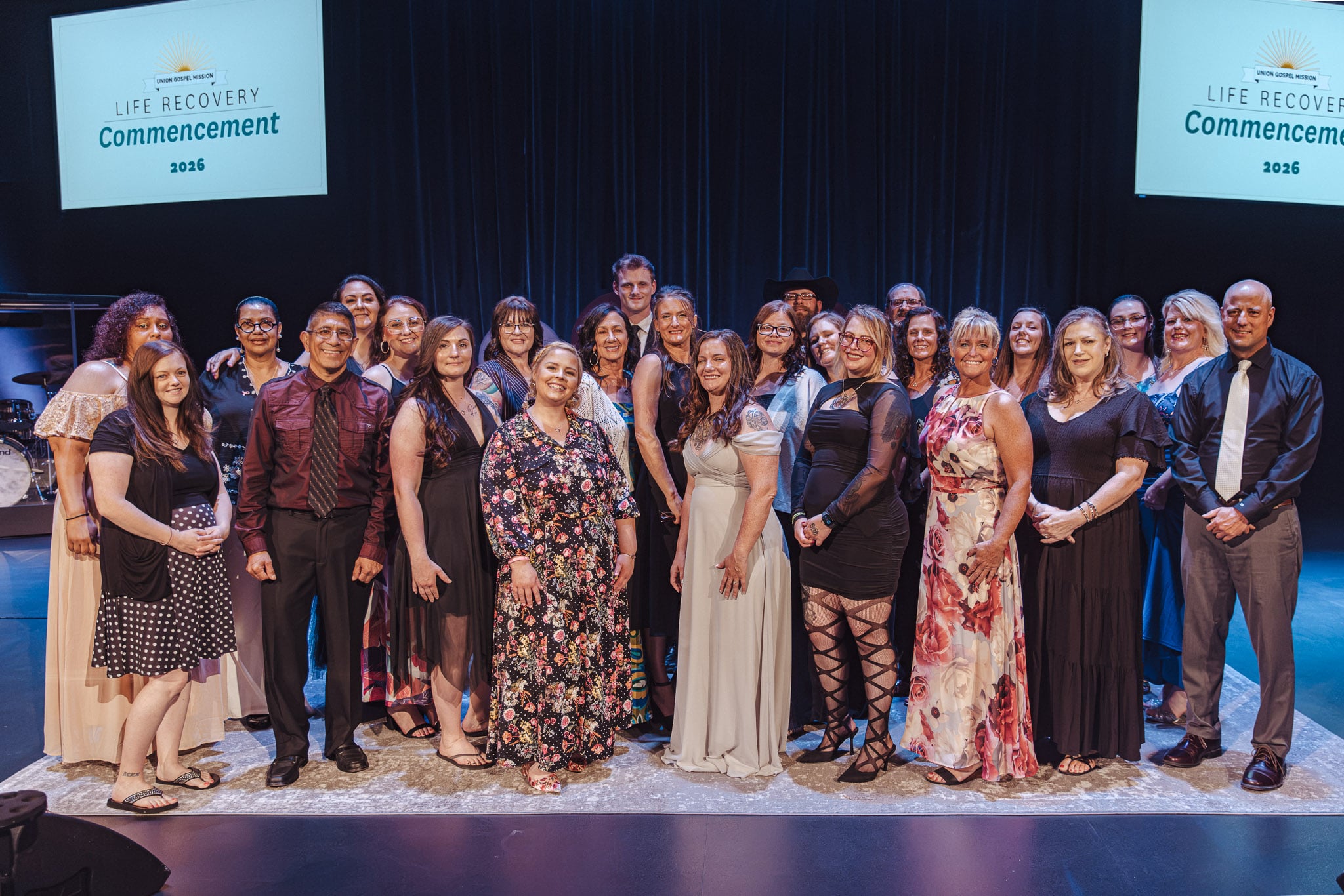
At this year's Life Recovery Commencement, the UGM community had the joy of celebrating men and women who completed their recovery journey. The...
3 min read
Happy Mother's Day! Union Gospel Mission of the Inland Northwest has been providing services to women and their children since opening Anna Ogden Hall (now known as Women’s Recovery Spokane) in 1971.
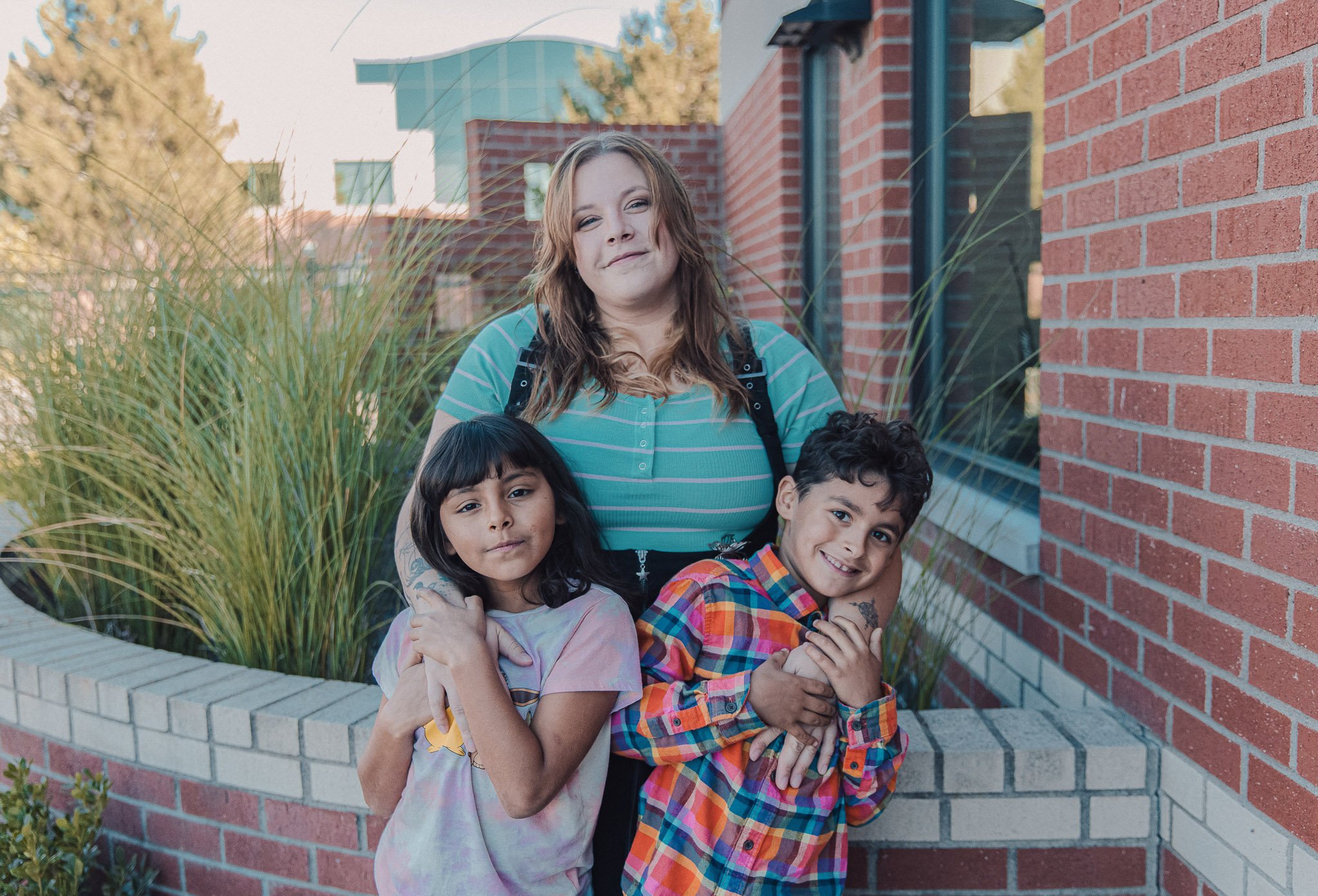
Every day at UGM, we see how childhood trauma is not just a contributing factor in homelessness, but a systematic issue that perpetuates cycles of brokenness across generations. But we also see how healing and lasting transformation is possible when compassion, connection, and faith intersect.
Says co-creator of Trust Based Relational Intervention (TBRI), Dr. Karyn Purvis.
TBRI is a holistic model for helping children heal and overcome challenges from their trauma. Lived experiences like generational cycles of abuse, family divisions, and childhood neglect contribute to the trajectory of lives, often contributing to homelessness, addiction, and perpetuating harmful cycles.
Women enter UGM seeking drastic life change. Many are seeking reconciliation with their children who have been placed into child protective services and foster care because of the mom's addictions. These mothers are filled with shame and regret, desperately longing for a better life for themselves and for their children.
Many of the children at UGM rescue shelters and recovery centers come from addiction, instability, or neglect, and almost universally, the children have experienced what is called attachment breaches and other adverse childhood experiences. As WRC Children’s Coordinator Robin Olson explains, “As infants, we ask, ‘Can I trust you; are you there for me?’ Without that, insecure attachments form, leading to anxious, avoidant, or chaotic patterns.”
The integration of TBRI into UGM’s Children’s Programs reflects: healing families requires repairing attachments. Whether through play therapy for children or reflective exercises for adults, the goal is the same: creating safe spaces where trust can be rebuilt.
We work hard to provide women with the support they need, offering a safe and healing environment where children can begin to feel secure and experience the consistency and love they desperately need.
Women’s Crisis Shelter Life Recovery Counselor Jana Ross reminds us, “If you keep the children in these homes without giving them these skills, you’re just causing more trauma. Reuniting with parents is a huge priority, but it requires repairing broken attachments in both mom and child.”
TBRI comes in, teaching children and their parents to repair broken attachments by practicing nurture, learning to regulate emotions, and negotiating needs in healthy ways. Once children know someone is there for them and that they matter, they can begin to relearn how to relate to themselves and others.
Using TBRI, moms learn not to focus just on the perplexing behavior, but on the needs of the whole child. We have trained our staff, volunteers, and residents in this intervention, and have found that it is effective with both adult and child residents.
Mothers are provided tools to meet their children’s needs with warmth and consistency. They are also given space to confront their own patterns of seeking validation and hiding pain. Through nurture groups, parenting classes, and faith-centered mentorship, moms discover new ways to connect—with community, with children, with God, and with herself. Together, they learn that fun could exist without alcohol, drugs, or unhealthy relationships, and that family could be a source of strength rather than pain.
Shandi’s story is one example:
“Being here has helped me be six months clean—the longest I have been sober since I was a kid. My whole family is functioning addicts. This program is helping me to show my family that recovery is possible. My sister recently relapsed and is on the streets. Hopefully I will be starting a new family trend. How many generations do we have to do this knowing it is failing, knowing it is hurtful, and knowing nobody is really happy before someone is going to step up and say, ‘NO!’? I refuse to let my child follow this pattern.”
Cycles of trauma can be broken when families are given tools, community, and faith. And it underscores the importance of UGM’s children’s programs, which nurture kids, equipping them for life beyond the shelter.
By God’s grace, UGM is creating spaces where justice and mercy meet—protecting children, restoring families, and paving the way for new patterns of hope.
Ways you can help a mother in your community and Invest in your neighborhood by connecting with families who may be struggling:



2 min read
At this year's Life Recovery Commencement, the UGM community had the joy of celebrating men and women who completed their recovery journey. The...
6 min read
From 2001 to 2026 This year, Union Gospel Mission of the Inland Northwest celebrates 75 years of changing lives in our communities. Over the years,...
1 min read
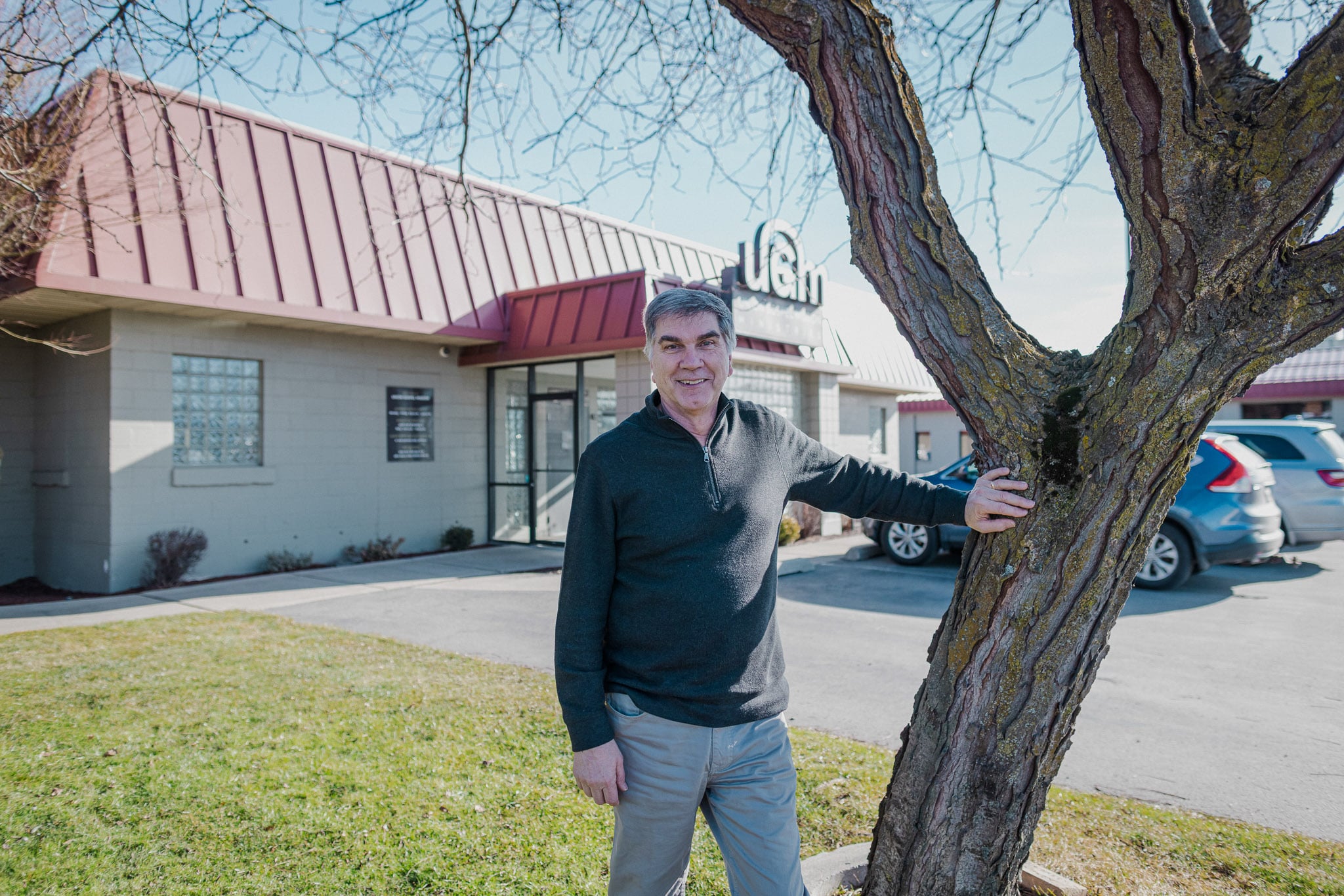
 Phil Altmeyer, Executive Director, Leanne White, Content and Communications Specialist: June 4, 2026
In the 1980s, I was part of Campus Crusade, a ministry working with students—future leaders—on a college campus, believing they'd make an impact on...
1 min read
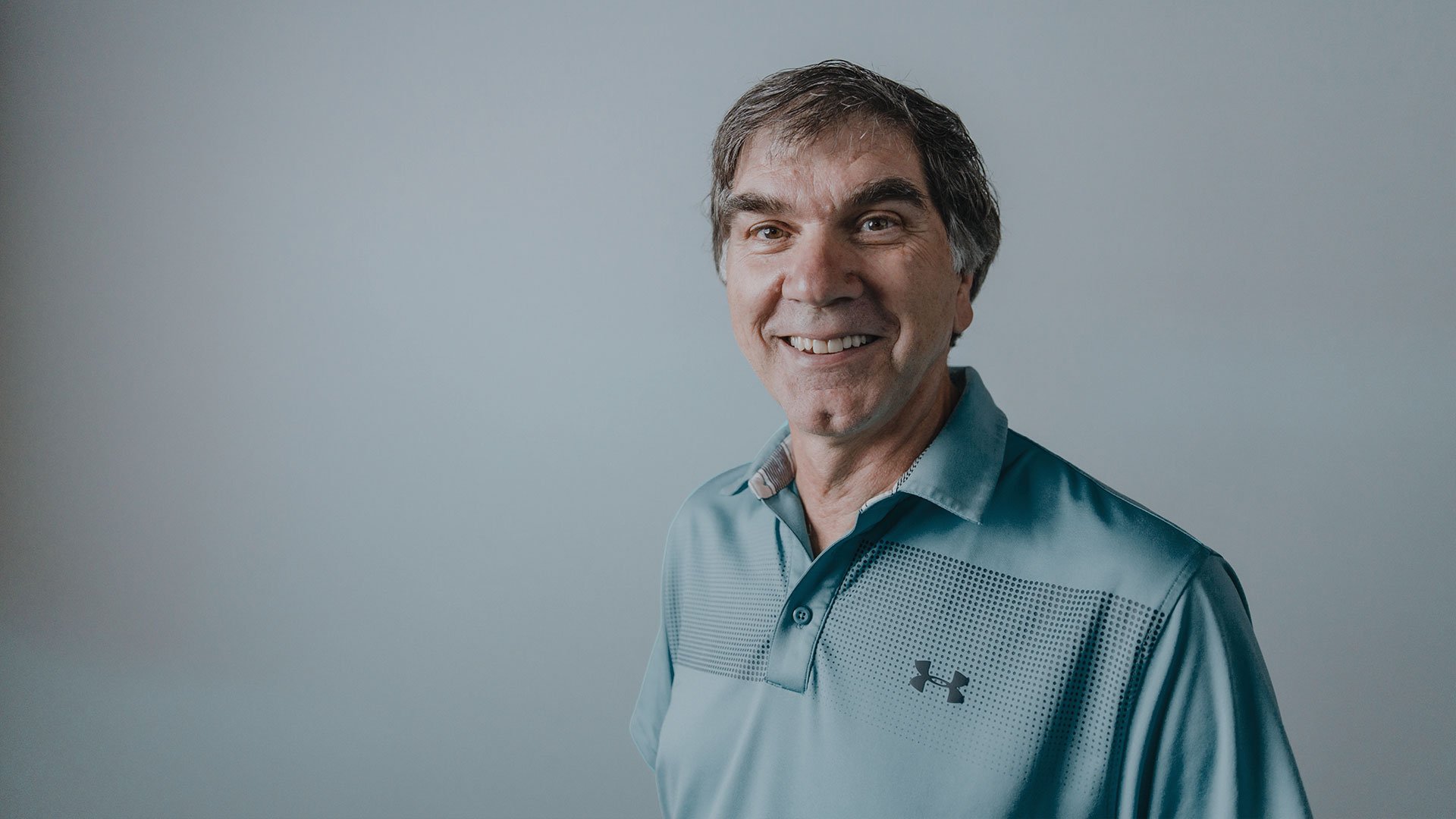
Phil Altmeyer, Executive Director : December 7, 2022
“As one whom his mother comforts, so I will comfort you.” (Isaiah 66:13) For the past ten years, I’ve been teaching the UGM women’s Bible study. I...
1 min read
Phil Altmeyer, Executive Director : March 15, 2016
For the majority of people coming through the doors of the Union Gospel Mission, the most pressing issues are shelter from the cold, a warm meal, the...
1 min read
 Genevieve Gromlich, former Content and Communications Manager : January 14, 2022
1. You opened doors to gospel conversations which resulted in 35 baptisms, including Christina's.