

2 min read
The Power of Change
At this year's Life Recovery Commencement, the UGM community had the joy of celebrating men and women who completed their recovery journey. The...
5 min read
In our previous newsletter, we reflected on the Mission’s early years—those initial twenty-five years driven by courageous women and men who launched a ministry for those seeking healing, guided by God's steady faithfulness and this community's support. Now, we focus on UGM’s subsequent twenty-five years in Spokane, a period marked by growth, greater compassion, and a more profound grasp of what authentic recovery entails.
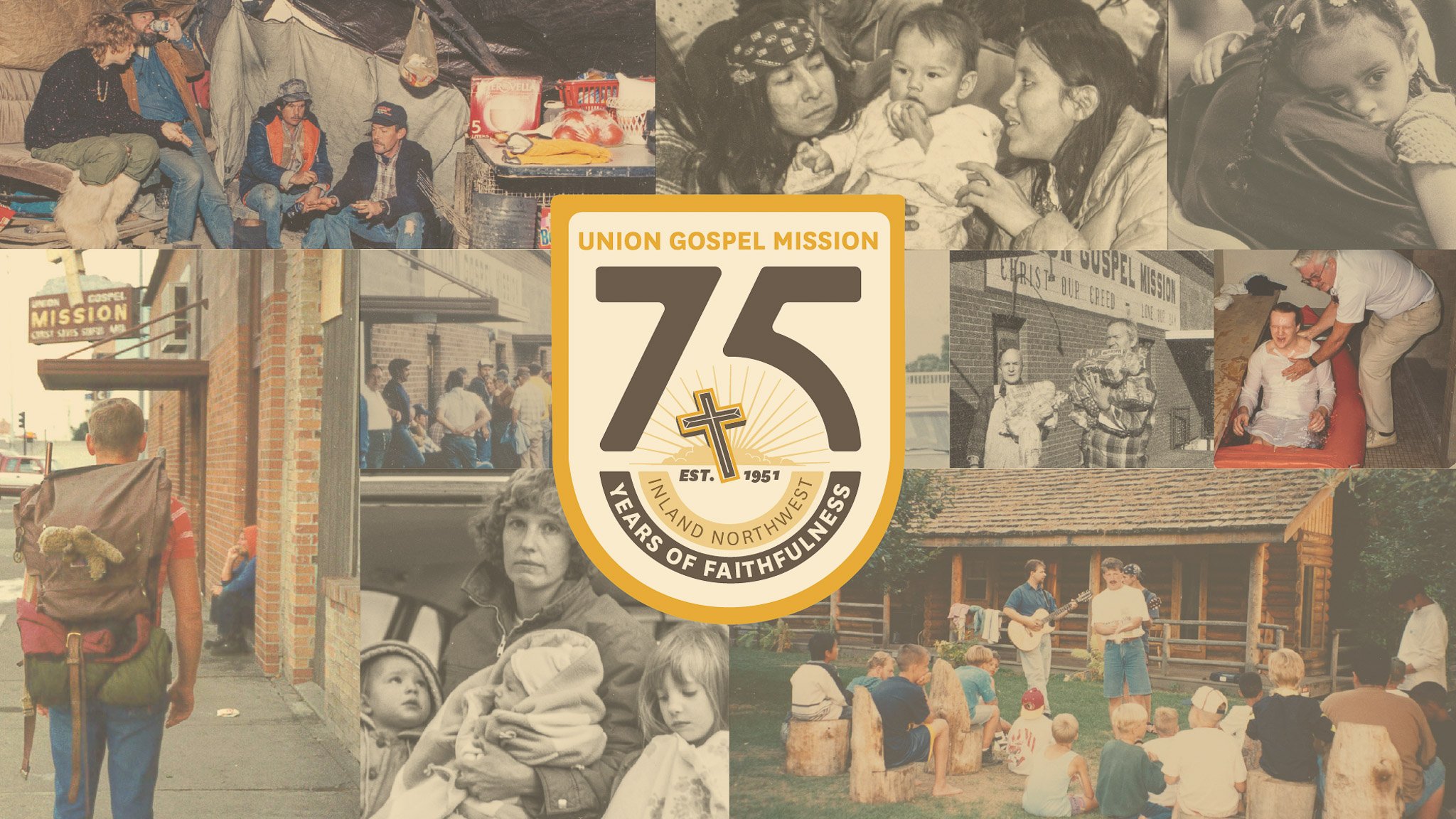
The 1970s marked a pivotal moment for Spokane. As the city transitioned from its industrial roots, Expo ’74 helped propel environmental cleanup efforts and downtown redevelopment. Nationwide, confidence in government waned following war and political scandals, while the era known as the “Me Decade” emphasized personal fulfillment and individualism. This period saw a surge in cultural experimentation and rapid technological advances. The carefree postwar years were replaced by challenges like fuel shortages, stagflation, and widespread unrest, fundamentally altering everyday life.
Amid these changes, UGM faced increasingly complex needs as spiritual searching, drug use, and social instability grew. God was raising up new leaders—people ready to serve those experiencing homelessness and addiction, continuing a mission rooted in generations of faithfulness.
The Altmeyer Era
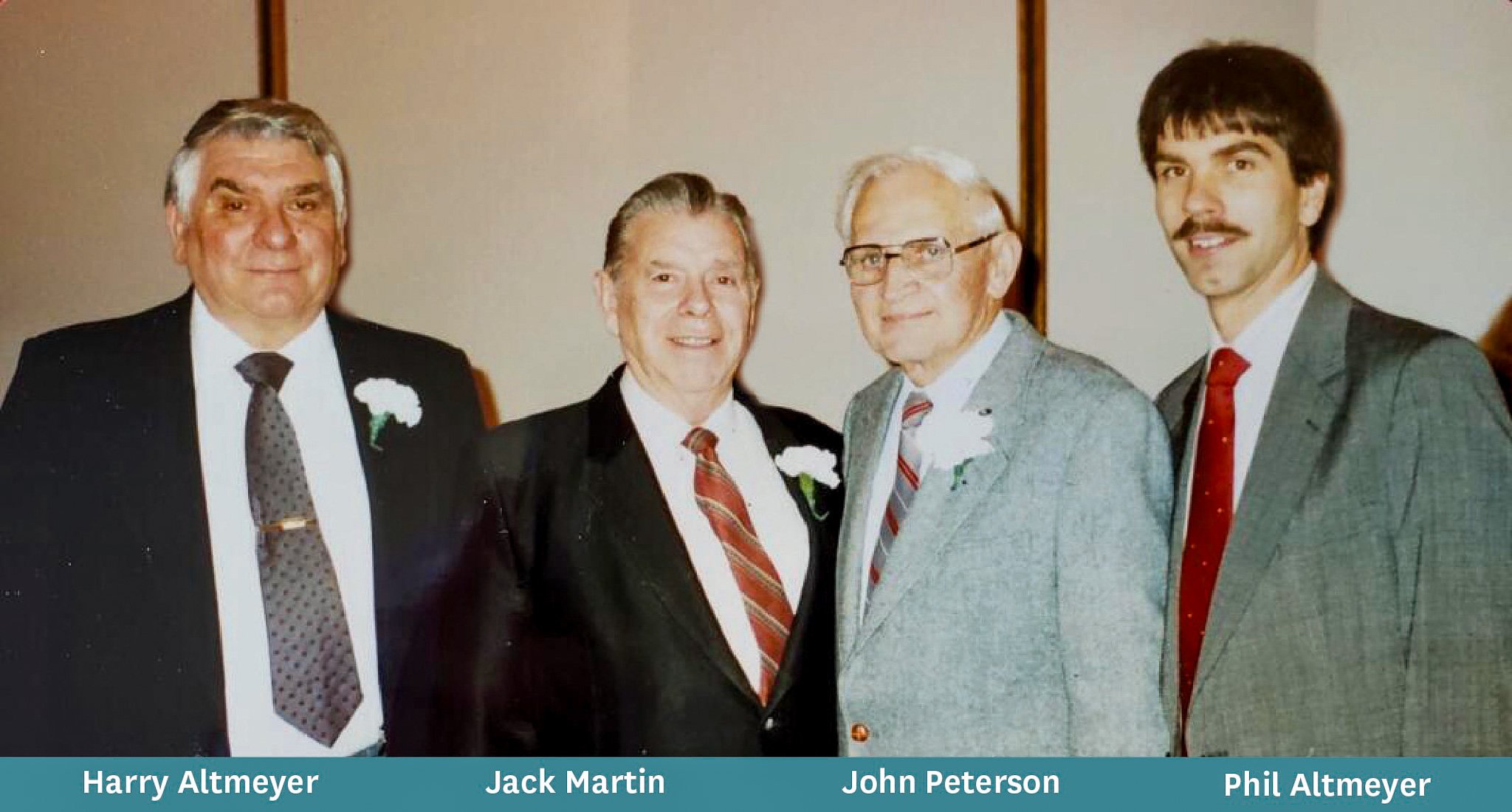
In 1976, after more than a decade of service, Executive Director John Pederson prepared to retire. Having known Harry and Earline Altmeyer through years of volunteer work, chapel ministry, and Harry’s service of over 20 years on the UGM board, John believed they were the right leaders to guide the Mission forward. 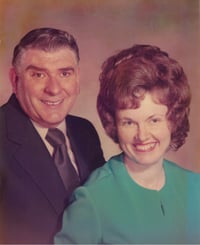 Harry’s connection to UGM extended back to the 1950s, when his compassion for men in crisis led him to participate regularly in the chapel ministry—Harry preaching, with Earline and their five boys providing music. By the early 1960s, he had joined the board of directors, and in 1977, he officially became Executive Director.
The Altmeyers’ long history of service shaped their leadership at UGM. While in college, Earline helped Albert Arend in the early days of UGM, and Harry’s grocery connections helped to keep UGM’s shelves stocked through generous donations from wholesalers and growers. Together, they demonstrated tireless, hands-on ministry by traveling to churches and civic groups, speaking on the radio, and involving their boys in chapel services and daily mission activities. Under Harry’s leadership, UGM continued to prosper.
When Harry was getting ready to retire, the search began for someone to take his place. He recommended his son Phil for the role. At that time, Phil and his wife, Caryl, were working with Campus Crusade in Idaho. After visiting the Mission and spending time in prayer, they both felt strongly that God was calling them to serve. Following interviews and board discussions, and after more prayer, the board agreed with Harry’s suggestion and hired Phil in 1986. After eleven years as Executive Director, Harry retired on August 31, 1987, leaving behind over three decades of service and a legacy now honored through the Harry Altmeyer Park located at the Trent facility.
Leadership & Provision
After spending a year learning from Harry and getting to know every part of the ministry, Phil became Executive Director in 1987. 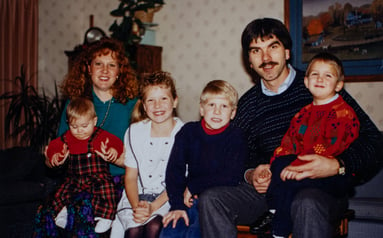 With support from his wife, Caryl, and their children, he worked alongside a small, dedicated team who helped grow and shape the mission.
A heart for the homeless was what truly united the UGM community in those early years. No one was thinking about how much money they could make or climbing a career ladder. They were choosing service over advancement, choosing ministry over building a personal fortune. That was the glue: love for the ministry, love for the people, love for the work God was doing. Everyone pitched in. People stayed late, checked on guests, and did whatever needed doing. It was hands-on, all-in, everyone helps kind of work.
In 1988, Phil hired Dave Wall as his Operations Manager, with a deep compassion for vulnerable people. 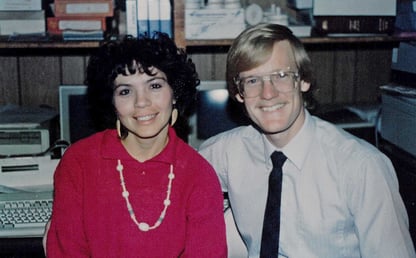 Dave became one of the Mission’s earliest storytellers, capturing the daily realities, quiet miracles, and hard-won transformations happening inside UGM. His storytelling, grant writing, and early media efforts impacted many lives and laid the foundation for UGM’s communications and development efforts.
Prison & Juvenile Ministry
Having been involved with the Spokane County Juvenile Detention program as the Religious Program Director, Danny Beard was familiar with UGM and Phil’s vision for the youth. 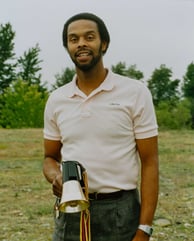 As Phil’s first hire, Danny joined UGM staff full time in 1987 and served in nearly every part of the ministry: chaplain, counselor, camp director, intake officer, program manager, and more. “I just did whatever needed doing,” he laughs.
In his early years, Danny devoted himself to the men at the Mission, organizing sports leagues and community activities. With generous donations like basketball hoops from Gonzaga and YMCA memberships, the men benefited from strong community support through Danny’s connections and God’s provision.
UGM Camp & Youth Outreach
As another branch of UGM’s growing Youth Outreach ministry, UGM Camp launched in 1988, initially hosted at Riverview Bible Camp. The model was simple: 25 boys, 25 girls, one weekend, and a lot of prayer. Volunteers were few, but God kept providing. Church partnership brought music, leaders, and discipleship support.
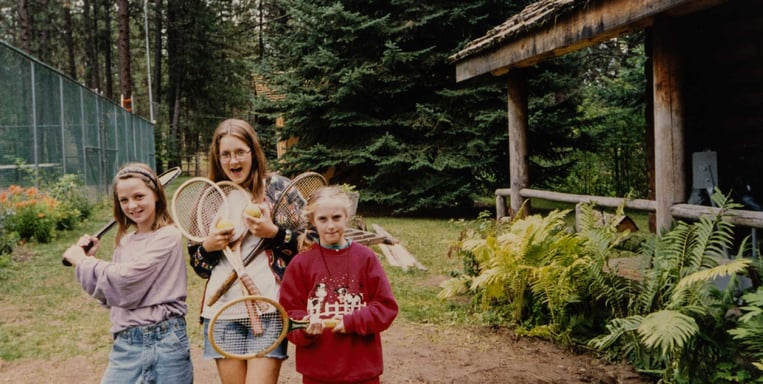
In 1991, retired businessman Dick Shanks offered UGM a significantly discounted deal on his riverfront property, which would serve as the permanent site for UGM Camp.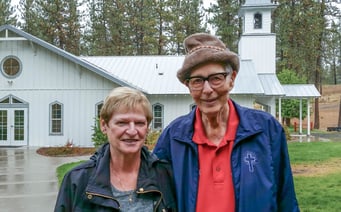 Shanks lived to see thousands of children experience the gospel and the outdoor life, thanks to his generosity.
Since the late 80s, the Mission has worked to serve Spokane’s underprivileged kids through a summer camp experience. However, the staff recognized a need to extend their involvement beyond the summer and began exploring more effective ways to reach children in the community.
Jim Hatch, a former police officer and UGM volunteer, spent time in classrooms with the D.A.R.E. program, where he often heard teachers and counselors ask for activities that would last all year. After he retired from law enforcement, Hatch joined the Mission staff to help create such a program. “Our goal,” he said, “is to create a program that supports kids every week. The need in Spokane is great—we have one of the highest poverty rates in Washington.” UGM made a deliberate shift to focus on youth outreach throughout the year. “The chance to make a lasting difference in children’s lives is enormous.”
The Big Move
By 1989, homelessness and addiction in Spokane had intensified over the previous 38 years. The Mission sometimes struggled to meet the demand for services. Many nights, men slept on the floor throughout the Mission, and meals were served in shifts due to limited space. Because of overcrowding and poor building conditions, the Mission prepared to relocate to a new site.
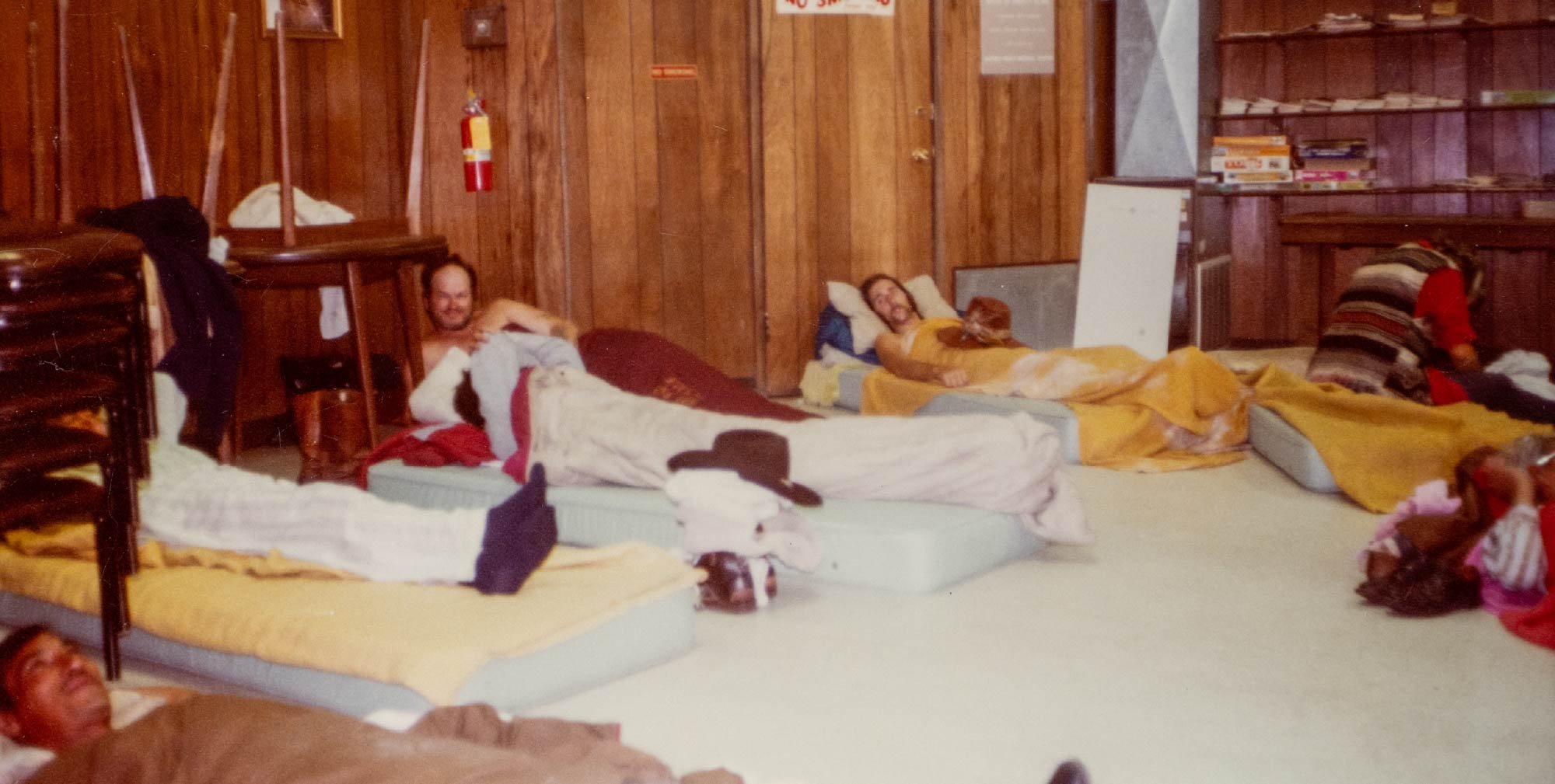
It was time to leave the slowly deteriorating building on Browne Street, which had transformed many lives since 1952. After prayer, generous donations, and hard work, the new UGM Administrative Offices and Men’s Shelter at the Trent and Hamilton location opened in 1990. Located along the Spokane River, the renovated facility provided optimized space use and met basic safety and comfort standards, allowing the Mission to triple its service capacity. This location remains the main campus for Union Gospel Mission.
Anna Ogden Hall: A Sanctuary for Women and Children
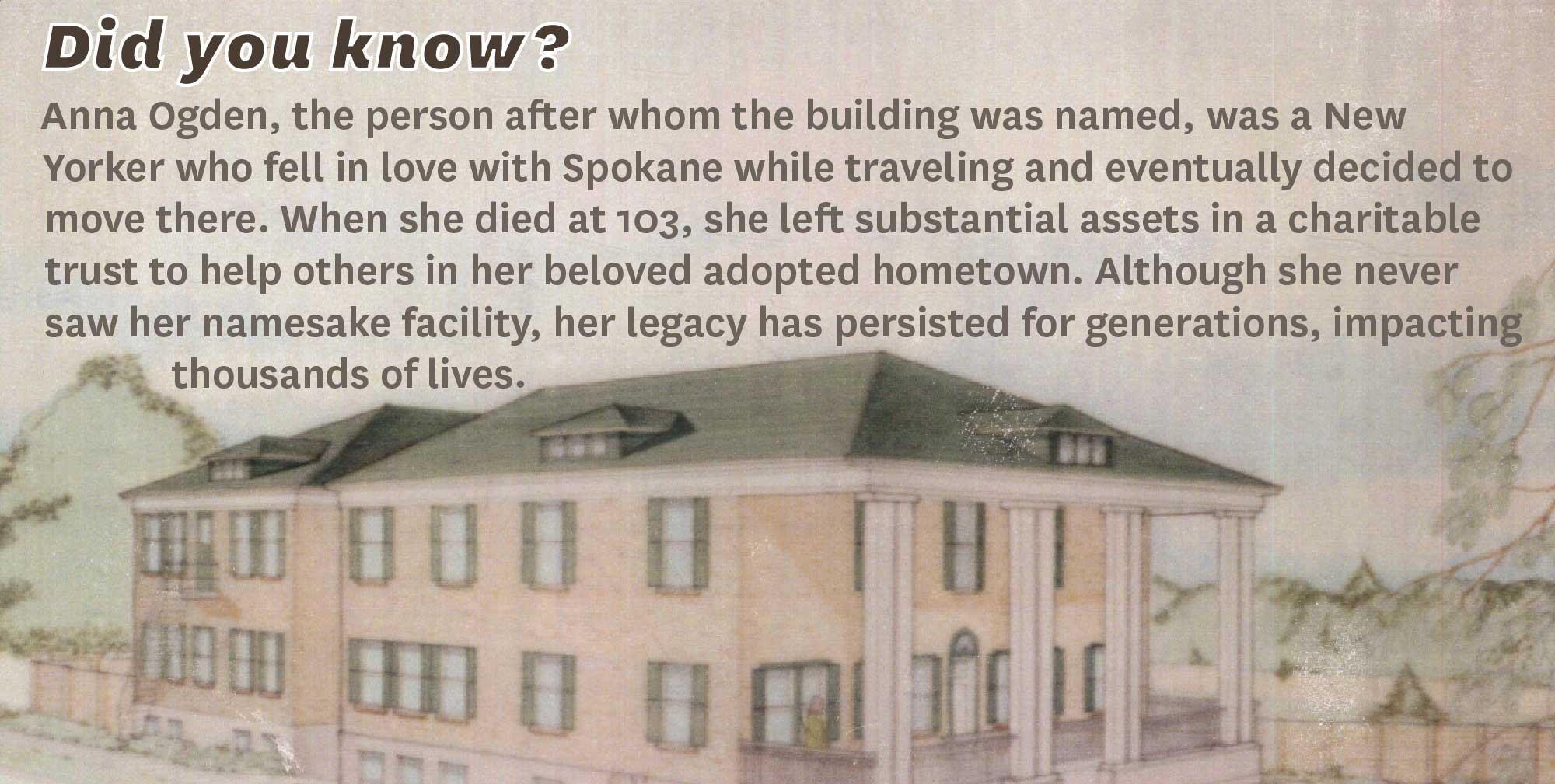
Originally purchased by UGM in 1971, Anna Ogden Hall was one of the few options available to help battered women and children. By the mid-1990s, increasing violence and drug problems in Spokane caused more women and children to end up on the streets, quickly filling the shelter to capacity for years. During harsh winters, overflow women were housed in the old Mission building. When three lots adjacent to the original AOH building became available, the UGM Foundation purchased them to expand the building and double its size.
With renovations complete, the dedication of the expanded AOH facility on October 11, 1996, created space for children's programs, and transitional housing was offered for women and families completing recovery.
Creating a Culture of Care
Back then, as the ministry was just coming together with new staff and leaders, they saw they needed to change how they approached healing. This realization led them to create a more structured recovery program. Before this, men and women could only stay for a short time and had to leave the buildings during the day to look for work. Chapel services happened every night, usually led by church groups who meant well but didn’t always understand the deep shame many guests felt. There was a lot of judgment and shame, and the focus was mostly on behavior. “We didn’t focus enough on the heart; We didn’t have the resources or the knowledge,” says Becky Wall, former AOH Director.
Many people who come to UGM carry emotional pain that has built up over the years. When the Genesis Process curriculum was introduced in the late 1990s, it changed things at UGM. This grace-based approach helped shift the way care was given. Healing began to mean real, lasting change. Along with individual and group counseling, men and women also learn about the hope that comes from a relationship with Jesus Christ.
Reflecting on 50 Years
Reflecting on this chapter of our history, we see a tapestry of provision, courage, and quiet faithfulness. Buildings expanded. Programs deepened. Leaders stepped forward. Volunteers showed up. And throughout it all, God continued to meet people in their most vulnerable moments and ignite change in our community.

2 min read
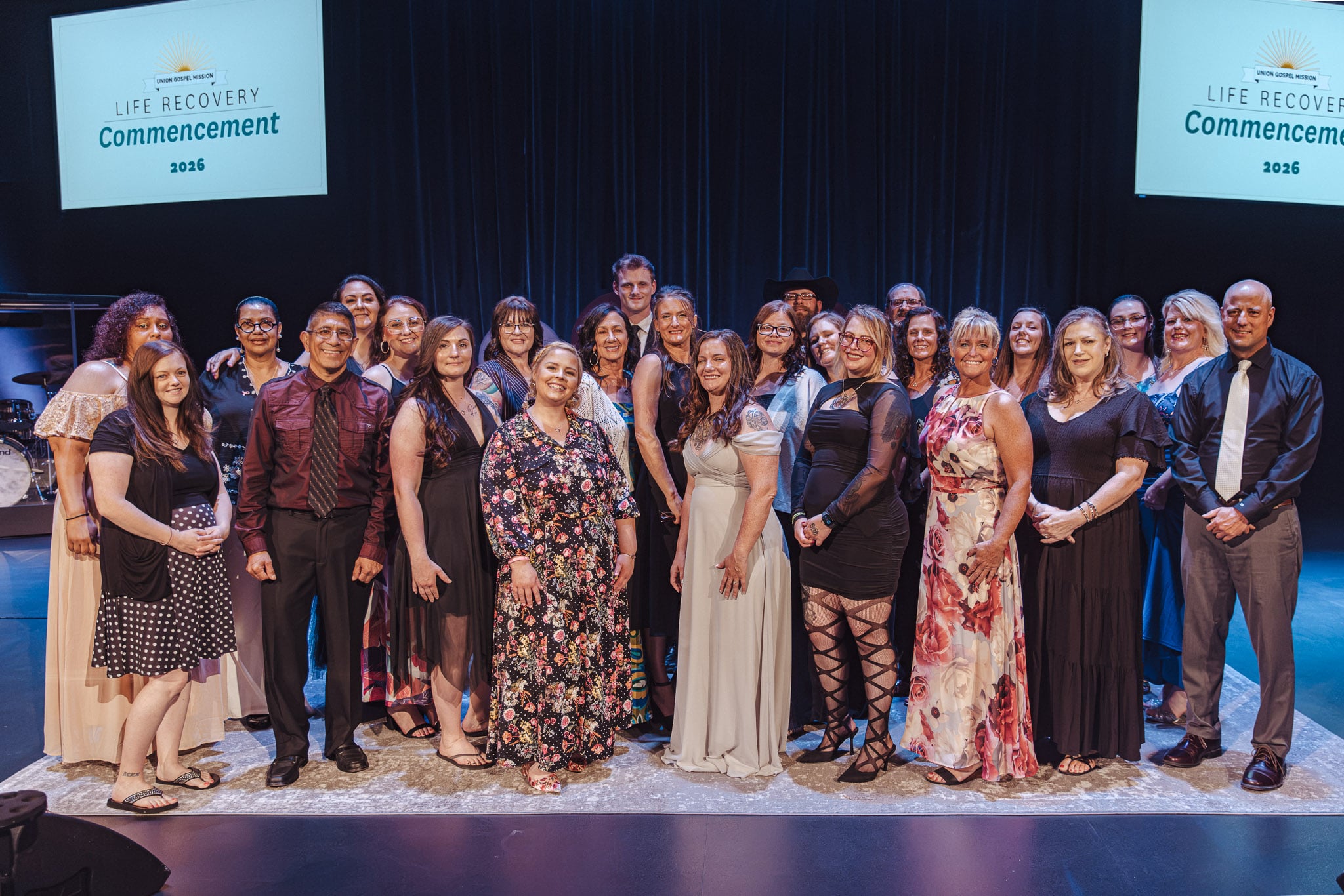
At this year's Life Recovery Commencement, the UGM community had the joy of celebrating men and women who completed their recovery journey. The...
6 min read
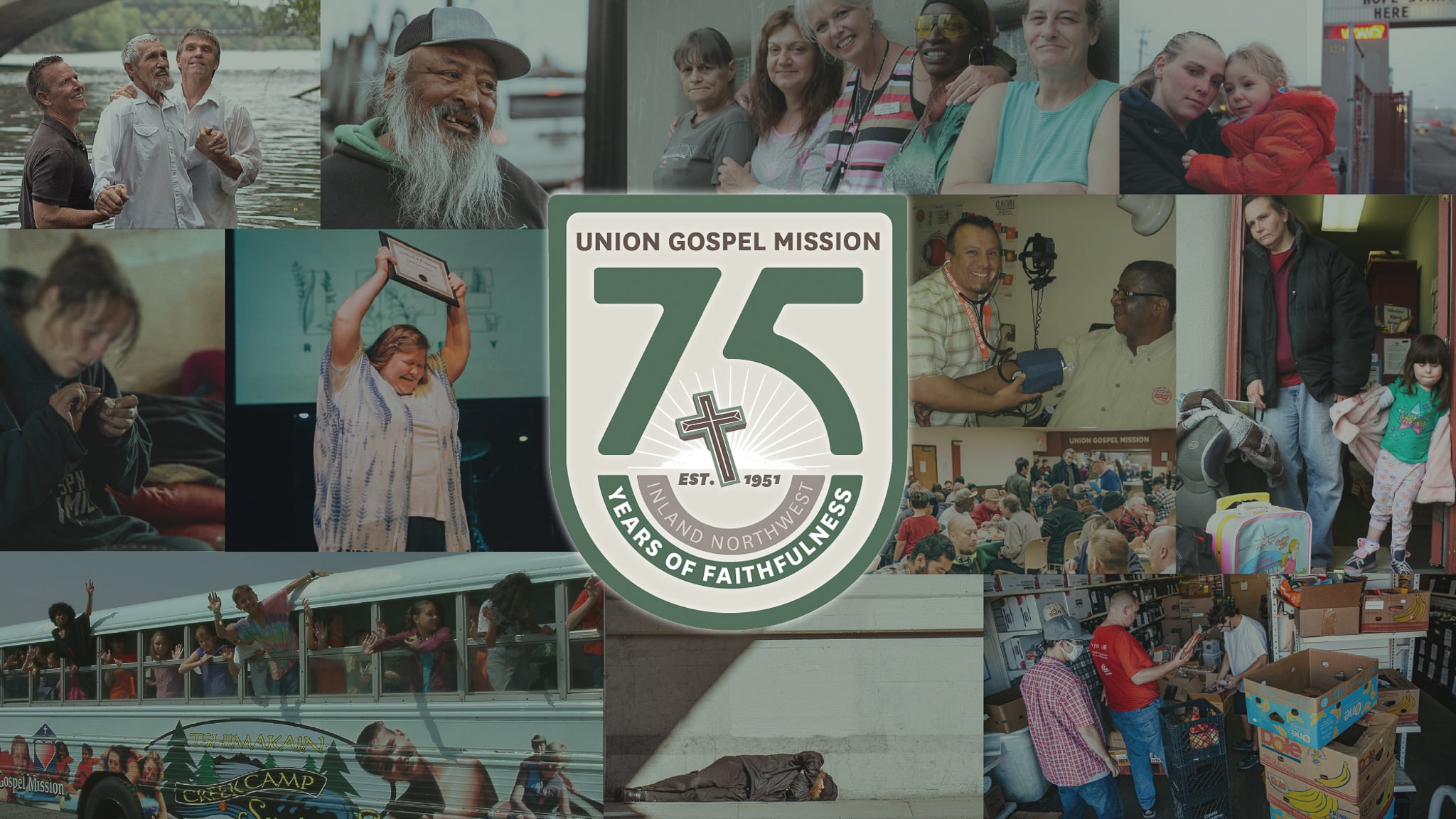
From 2001 to 2026 This year, Union Gospel Mission of the Inland Northwest celebrates 75 years of changing lives in our communities. Over the years,...
1 min read
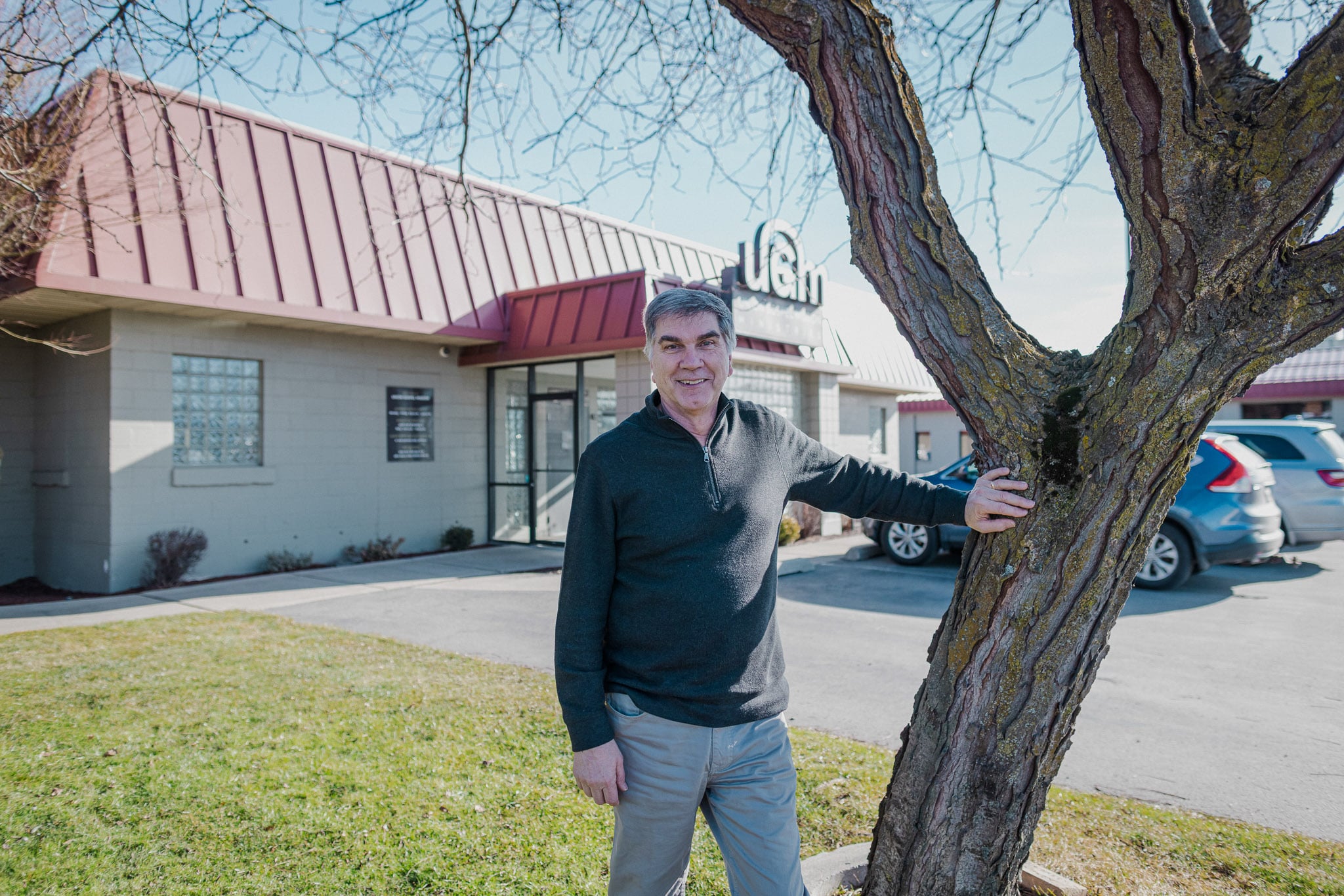
 Phil Altmeyer, Executive Director, Leanne White, Content and Communications Specialist: June 4, 2026
In the 1980s, I was part of Campus Crusade, a ministry working with students—future leaders—on a college campus, believing they'd make an impact on...
1 min read
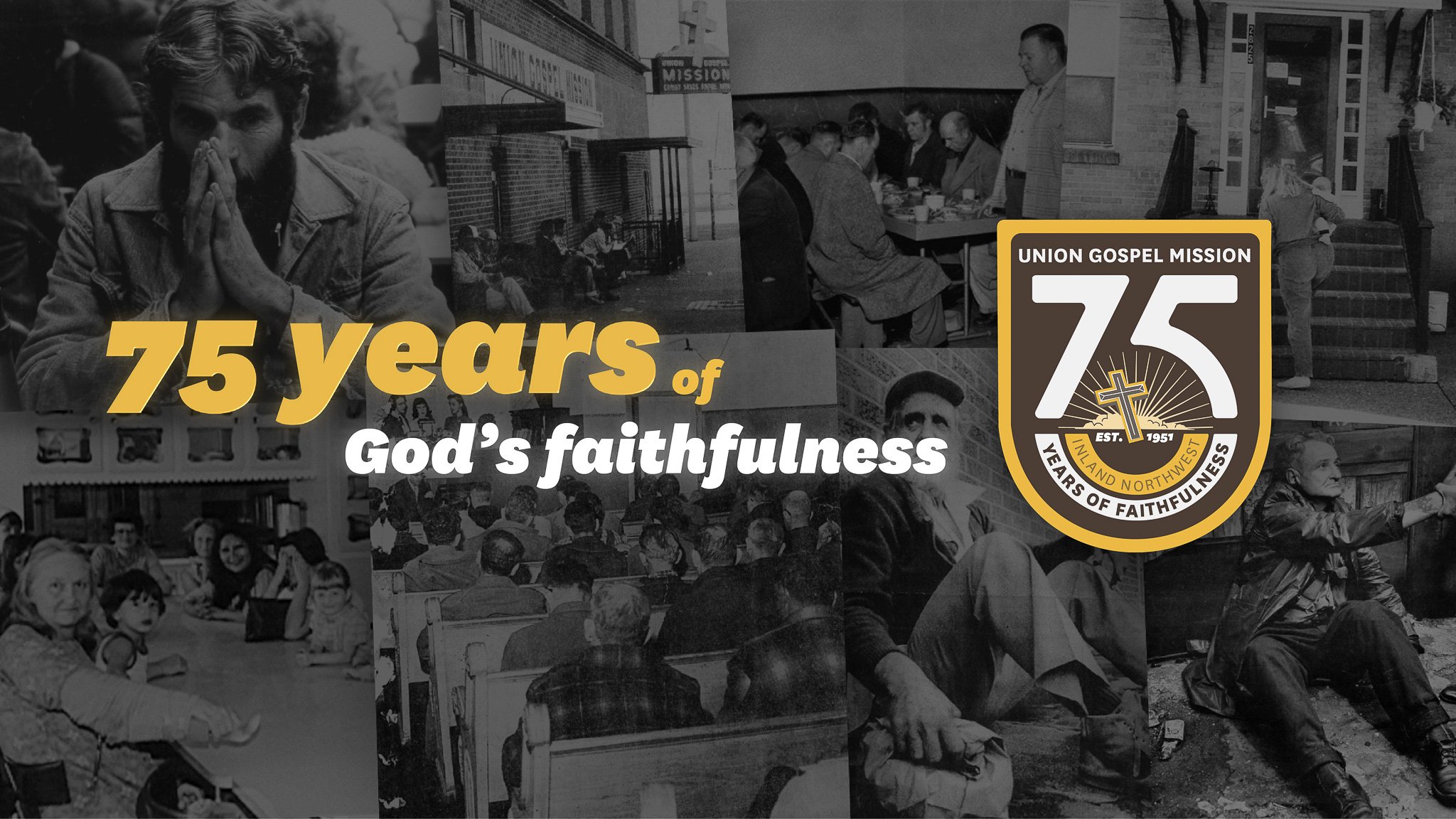
In 2026, Union Gospel Mission Inland Northwest is approaching our 75th Anniversary! This is a milestone that invites gratitude and reflection, and...
1 min read
From 2001 to 2026 This year, Union Gospel Mission of the Inland Northwest celebrates 75 years of changing lives in our communities. Over the years,...
1 min read
“Let us hold unswervingly to the hope we profess, for He Who promised is faithful…Jesus Christ is the same yesterday, today, and forever.” (Hebrews...